
Indian equities are no longer cheap vis-a-vis global markets, and only a short distance away from being the most expensive they have ever been.

The country's m-cap is now 4.3x India's, whose m-cap grew just 17 per cent to $2.5 trillion in CY20 -- 2.4 per cent of the global m-cap.. Ashley Coutinho reports.
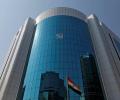
According to the new proposals, resident promoters or a foreign promoter from a FATF jurisdiction can set up a market infrastructure institution.

The unlocking of the economy since June led to a significant recovery in various macro, micro and high-frequency data points, resulting in the equity markets surpassing their previous lifetime highs.

The pre-Budget proposals sent to the finance ministry aim to bring uniformity in tax treatment for investments in different financial sectors, mitigate hardship to retail taxpayers, and encourage participation in mutual funds.

The new entrants comprise Asian Paints, Britannia, Titan, Nestl, Bajaj Finance and Bajaj Finserv.

Polarisation and the increase in index weight of a few a stocks have weighed on performance. The worst performers include Nippon India Large Cap and HDFC Top 100 (2.6 per cent).
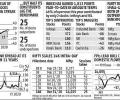
It took Nifty 25 sessions to cross 14,000 from 13,000-levels.

The new PN3 norms and lack of clarity on what constitutes beneficial ownership are the primary reasons for the decline in investments from China and Hong Kong.

Assets under management of India-dedicated funds have slid 20 per cent in the year to November to $35.2 billion.

Fund managers may end up losing out on crucial information during market hours, leading to information asymmetry vis-a-vis other institutional investors such as alternative investment funds, insurance players, or foreign portfolio investors.

So far this month, another $4.5 billion (Rs 33,000 crore) has flown into domestic stocks.

The so-called high networth individual portion saw 620x more demand than shares on offer.

'Investors should put their money in stocks where the margin of safety is high.'

Through the IPO, Burger King has raised Rs 450 crore, which will be used to rollout new outlets and retire debt.

Experts said banking is a play on the economy and the latest buying into this space is underpinned by hopes of a sharper-than-expected recovery in the economy.

While the amount collected is a tad lower than last two years, it may surpass the previous two years' collections by the end of the year.

Last week, govt sold shares worth Rs 220 crore in the open market without making a formal announcement. The deal came to light only this week.

In the past few years, MFs have emerged as significant institutional buyers, often offsetting the selling by FPIs.

So far, brokers only reported margins at the end of the day, which is why they were able to give additional leverage even if the client didn't have minimum margins.
